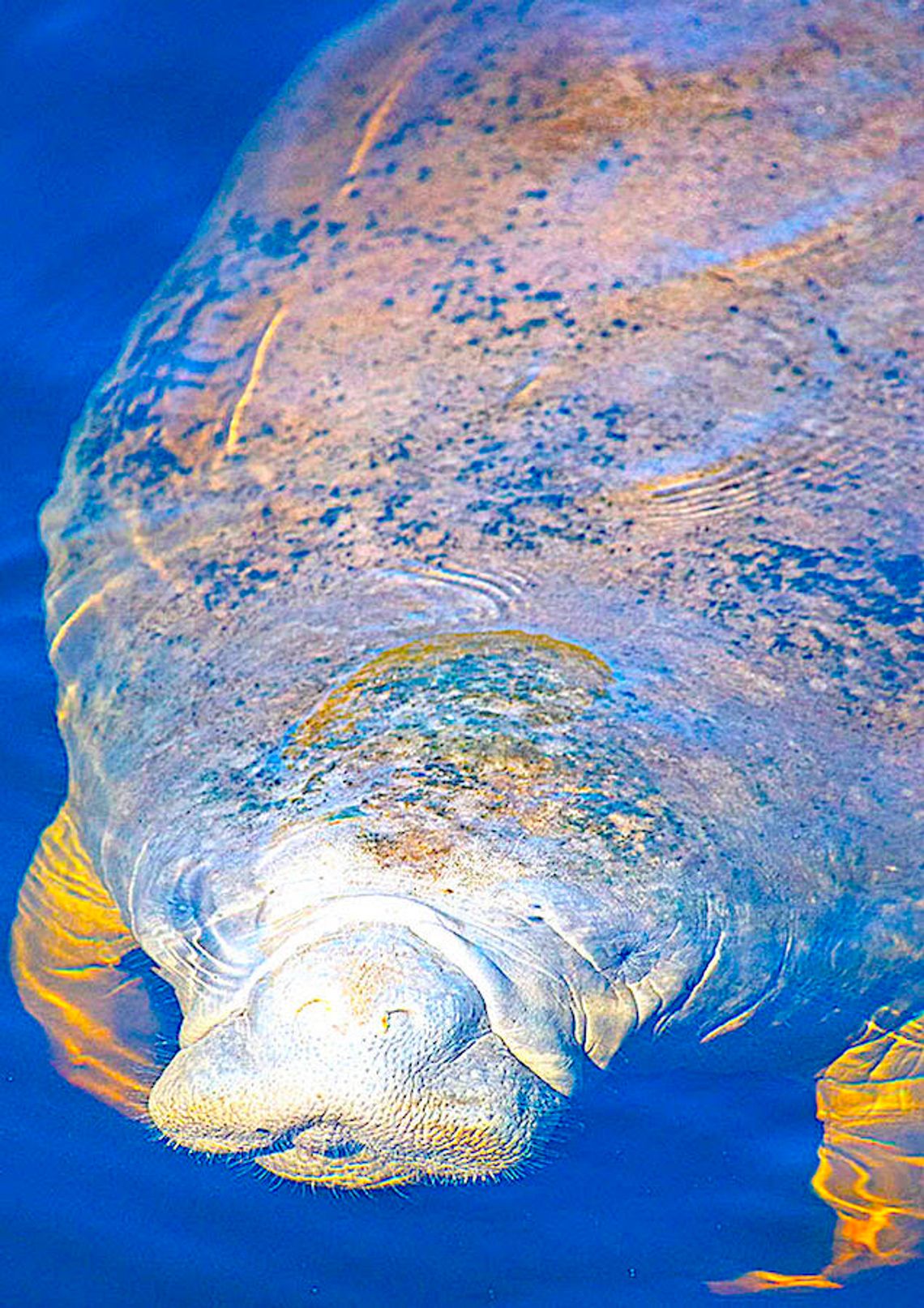
Have plans to get out on the water this spring? The Florida Fish and Wildlife Conservation Commission (FWC) reminds boaters to go slow and keep an eye out for manatees as the slow-moving mammals naturally disperse from their winter refuges.
Manatees overwinter in Florida springs, power plant discharges and other warm-water sites, relying on water that is warmer than 68 degrees Fahrenheit. As temperatures rise in spring, manatees gradually disperse from their winter habitats and are more likely to be present in rivers, canals and nearshore waters.
Spotting manatees in the water can be challenging, but going slow and looking out below helps boaters and personal watercraft users better spot manatees in the area. When on the water, you can help manatees by wearing polarized glasses, following all manatee protection zones, keeping an eye out for visible snouts or manatee “footprints” — large circles on the water that are indicators that manatees are below the surface —and always giving manatees space.
From April 1 through Nov. 15, seasonal manatee zones require boaters to slow down in certain areas to prevent manatees from being injured or killed by motorboats or personal watercrafts. Boat strikes continue to be a major threat to Florida manatees. FWC law enforcement officers patrol state waters to inform boaters of the seasonal manatee speed zones and take appropriate enforcement actions. Boaters are reminded to abide by the regulatory signs they see on the water. Manatee protection zones are marked by waterway signs and maps of manatee protection zones are available online at MyFWC.com/Manatee by clicking on “Data and Maps.”
As a reminder, manatees are a protected species and it is illegal to feed, harass or harm them. Physically handling a distressed or stranded manatee can cause additional harm to the manatee and may put you at risk of serious injury. Instead, please report injured, distressed, orphaned, sick or dead manatees to the FWC’s Wildlife Alert Hotline at 888-404-FWCC (3922) so trained responders can assist.
Resources for boaters, educators and other interested members of the public are available at MyFWC.com/Manatee. What should you do if you see a manatee? The Viewing Guidelines page provides helpful tips on respectfully viewing manatees, additional guidelines for boat and personal watercraft operators, and information on what you can do to help these amazing aquatic mammals.
Are you interested in supporting the FWC’s manatee research, rescue and management efforts? You can purchase a Florida manatee license plate or donate $5 to receive a collectable FWC manatee decal. Both are available from your local Tax Collector’s office.
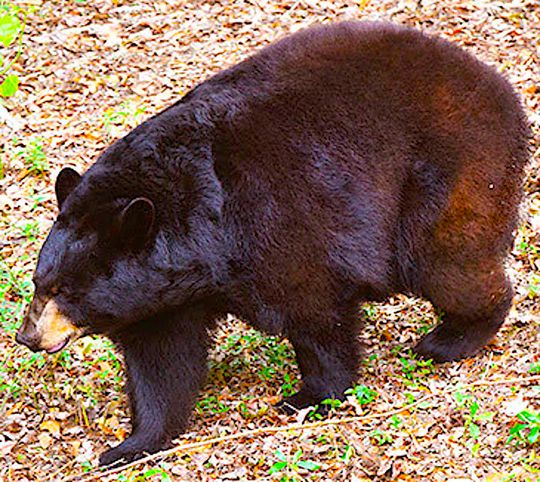
The Florida Fish and Wildlife Conservation Commission (FWC) would like to remind the public to be BearWise® and watch for bears as they stop hitting the winter snooze button.
March means black bears will leave their winter dens for food and water, and they rarely pass up an easy meal. Any accessible garbage, bird seed, or pet food left around your property is like ringing a dinner bell. Secure your attractants to ensure bears will move on from your neighborhood and that female bears won’t teach their cubs your yard makes for a convenient buffet.
Here are some other BearWise® Basics to keep in mind:
* Never feed or approach bears.
* Remove bird feeders when bears are active.
* Feed your pets inside if possible and never leave pet food outdoors.
* Clean and store your grills and smokers.
* Secure food, garbage and recycling.
* Alert your neighbors to bear activity in the area.
Live in bear country? Follow this at-home checklist. And remember, a screened-in porch or deck counts as “outside” to a hungry black bear.
Black bears are generally not aggressive but they have injured people in Florida. Dogs, in particular, can trigger defensive behaviors from bears, especially females with cubs. When walking dogs, keep them close to you on a short leash and stay aware of your surroundings. Before letting your dog outside in your yard, flip exterior lights on and off and bang on the door to give bears and other wildlife a chance to leave the area.
Bears cross more roadways as they become more active this time of year. To avoid vehicle collisions with bears and other wildlife, slow down when driving, particularly on rural highways at dawn or dusk. Look for road signs identifying bear and other wildlife crossing areas. Each year in Florida, an average of 250 bears are killed after being hit by vehicles.
Having conflicts with bears? FWC should be your first call - our staff are here to help. Please call one of the FWC’s five regional offices to speak with a biologist about the specifics of your situation to help resolve any conflicts. Go to MyFWC.com/Contact and click “Contact Regional Offices” to find the phone number for your region. Call the FWC’s Wildlife Alert Hotline at 888-404-FWCC (3922) to report someone who is harming bears or intentionally feeding them.
More information is available at MyFWC.com/Bear, where you can access the “Guide to Living in Bear Country” brochure. You can also help bears and other wildlife by purchasing the Conserve Wildlife license plate at WildlifeFlorida.org. For more information on Florida’s wildlife in spring, visit MyFWC.com/News and click on “Spring Wildlife News.”