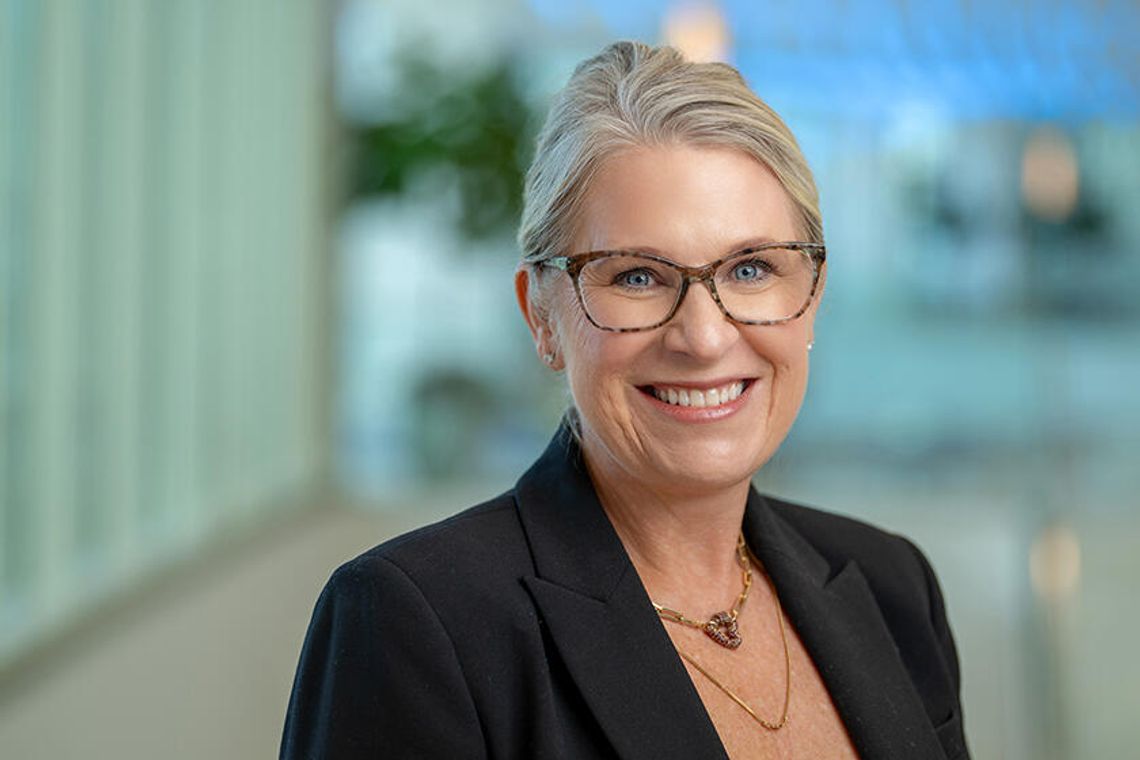
By Dawn Koffarnus, MBA
One in seven Central Floridians lives with food insecurity. One in ten Central Floridians has
been diagnosed with three or more different chronic health conditions. Those two facts
aren’t a coincidence.
Central Florida is chronically ill in part because people aren’t getting the nutrition they need
to be healthy. When you don’t have stable access to food, you’re at a much higher risk of
developing diseases like hypertension (impacting 1 in 3 Floridians), diabetes (impacting 1
in 10 Floridians), and heart disease (impacting 1.4 million Floridians, and the leading cause
of death in the state).
Getting healthy meals on the tables of food-insecure neighbors is one of the best and most
cost-effective tools we can leverage to improve public health. And at Second Harvest Food
Bank of Central Florida, we’ve already started putting it into practice. In fact, 73% of the 82
million meals distributed last year were fresh, nutritious foods.
In addition to food distribution, Second Harvest is working alongside partners in the
healthcare industry, to proactively screen patients for food insecurity and connect at-risk
households to healthy food, sometimes even before they leave the doctor’s office. In just a
few years, those systemic changes have benefited more than 240,000 individuals.
A balanced diet can lower blood pressure, improve heart health, and help prevent or
manage chronic conditions like diabetes. For high-need patients and homebound seniors,
Second Harvest offers options like Medically Tailored Meals (MTM), which are designed by
a registered dietician nutritionist to meet specific nutrition needs and prevent repeat
hospital visits. When patients discharged at Central Florida hospitals were enrolled in the
MTM program, their likelihood of readmission fell from 43% to just 8.2%.
Even for lower-risk patients, a small intervention can pay significant dividends. Some of the
families supported by Second Harvest have limited transportation or a language barrier
that can make it hard to access healthcare; but providing food and a bus pass makes it
much more likely that they’ll return for follow-up appointments – a major concern in some
rural areas, where no-show rates can be as high as 70%.
Beyond the doctor’s office, Second Harvest is also bringing nutrition education to the wider
community. Patients who have limited access to healthy food may not know what to look
for on a nutrition label, or how to prepare recipes to minimize sodium or cholesterol – but
they can learn those skills through free nutrition education classes.Tackling health and hunger at the same time yields cascading benefits, including many that
don’t show up on a lab report. It means fewer emergency room visits for easily avoidable
health conditions, leaving more beds free for patients with other critical care needs. It
lowers the risk of health complications. It saves money – $2,600 per hospital stay, on
average. And it reduces the strain on family caregivers who otherwise couldn’t afford to
care for someone with serious medical needs.
Food is foundational to health, and having access to a balanced, nourishing diet can be
life-changing. “My blood pressure and heart rate are better,” said a Central Florida senior
who was referred to Second Harvest’s Medically Tailored Meals program. “I was able to get
off my diabetes medication, I lost some pounds – medically, this saved me probably
thousands of dollars. ”
The bottom line is simple: Fighting hunger is feeding health. And thanks to a community of
partners, volunteers, donors and neighbors, we’re well on our way to a healthier Central
Florida. To learn how you can get involved, visit FeedHopeNow.org.
Dawn Koffarnus is the Chief Health Systems and Financial Officer at Second Harvest Food
Bank of Central Florida. Through its leadership in the Health and Hunger Task Force – a
coalition of healthcare providers and community organizations focused on improving long-
term health outcomes for neighbors experiencing food insecurity and chronic illness – and
its investments in workforce training and access to nutritious food, Second Harvest is
helping address the root causes of hunger as a vital component of public health.