Special to the Herald
A revolution in cardiac care is underway that is significantly improving outcomes for patients who need pacemakers to help regulate their heartbeat.
A pacemaker is a small, battery-powered device that monitors the heart. If either the atria or ventricles are beating too slowly, the pacemaker sends electrical signals to return the heart rhythm to within a normal range. Today, more than three million Americans live with a pacemaker, allowing their hearts to beat safely both while resting and during rigorous exercise.
Over the decades, innovations such as bidirectional telemetry, microprocessor-based systems and leadless designs have gradually improved the lives of millions. Size and weight reductions in modern pacemakers also have brought about many benefits, such as less invasive procedures, shorter recovery times, and fewer complications. Patients with these newer devices often experience fewer symptoms such as dizziness and fatigue, enabling them to be more active. Additionally, the smaller, lighter designs are less noticeable, improving the cosmetic results.
Even with these important advances, the fundamental design of pacemakers has remained largely unchanged for nearly 50 years, particularly in the need for wire leads – the thin, flexible wires that connect the pacemaker to the heart – to deliver electrical impulses.
In 2013, the first leadless pacemaker was introduced. Leadless pacemakers don’t need connecting wires to a separate power source, removing many complications of the traditional pacemaker. Until recently, leadless pacemakers could only be implanted in the right ventricle – helpful for some patients, but more than 80% of pacemaker recipients need dual-chamber pacing. The technology to achieve this without leads was elusive – until now.
In 2023, the U.S. Food and Drug Administration approved Abbott’s AVEIR™ DR, the first dual-chamber, leadless pacemaker system. Ten times smaller than a traditional pacemaker, the device consists of two tiny capsule-like units, each smaller than a AAA battery, which can be implanted directly into the heart chambers without the need for wire leads. The devices communicate with each other, ensuring that the heart receives the correct pacing signals at precisely the right moments.
HCA Florida Lake Monroe Hospital in Sanford, part of HCA Florida Healthcare, is at the forefront of this pacemaker revolution. We were one of the first hospitals to successfully perform the dual-chamber leadless pacemaker procedure, demonstrating our commitment to providing the highest level of cardiac care to our community. Since then, HCA Florida Healthcare’s cardiovascular care teams have implanted the device in several patients, helping them enjoy a higher quality of life.
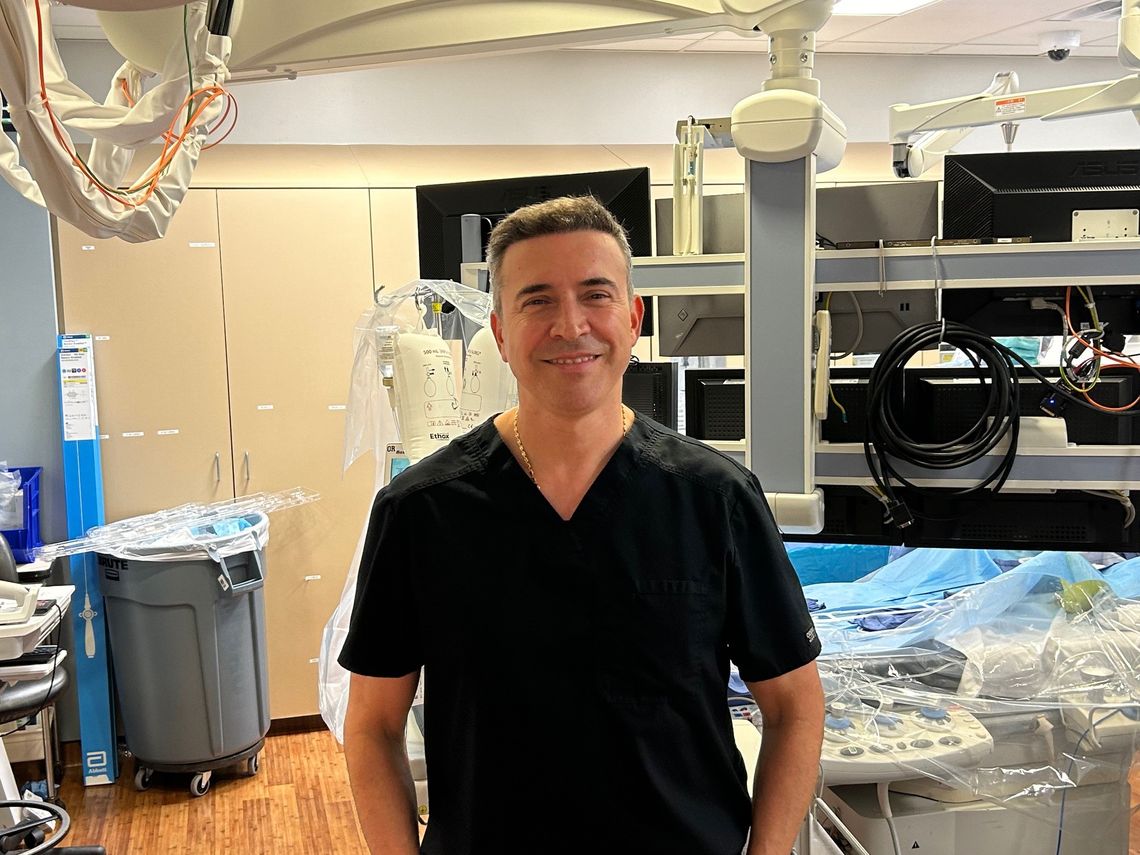
Without question, this new pacemaker technology marks a turning point in cardiac care as a safer, more effective treatment option for patients who require dual-chamber pacing. As director of electrophysiology at HCA Florida Lake Monroe Hospital, I’m particularly encouraged about the potential of this technology to help our patients live longer, healthier, and more active lives.
As always, patients should consult with their physician to discuss the best treatment options tailored to their individual needs.