By Karime Patterson
Reflecting on my experiences in Early Childhood Education reminds me of the importance of effective teaching practices that accommodate the diverse needs of young learners. Each child comes with unique strengths, challenges, and perspectives that deserve recognition and support. Successful early childhood education truly lies in creating an inclusive environment that embraces universal design for learning. This approach ensures that all students, regardless of their abilities, can access the curriculum and thrive, promoting a sense of belonging and community within the classroom.
Building Connections with Students - Establishing strong connections with each child is paramount. When children feel valued and understood, they are more likely to engage meaningfully with the learning process. Understanding their individual backgrounds, interests, and learning styles allows me to tailor my teaching methods accordingly. By doing so, I create lessons that resonate with their personal experiences and motivations. By using the five senses as a gateway to learning, I engage students in a way that resonates with them personally. Activities that incorporate sight, sound, touch, taste, and smell not only enhance understanding but also make learning memorable, fostering deeper cognitive connections.
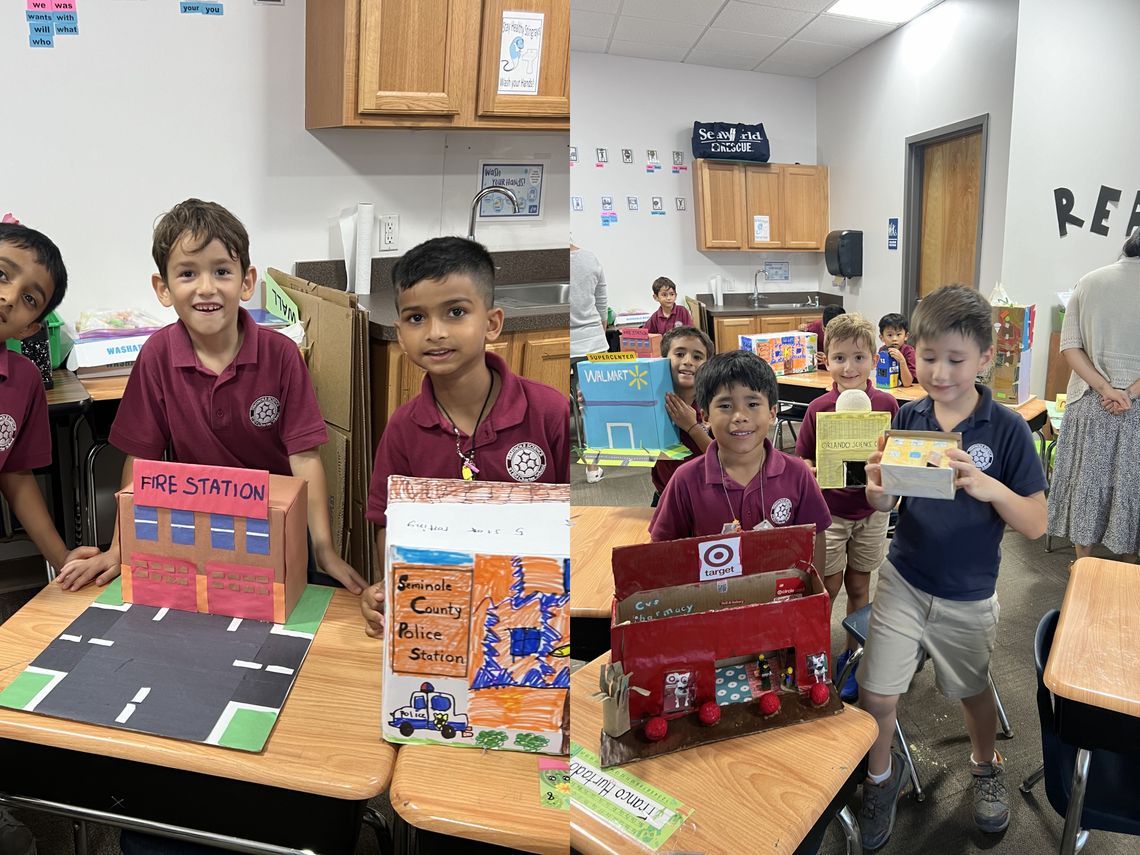
Hands-On Learning - I believe in the power of hands-on experiences. When children interact directly with materials, they are more likely to develop a sense of ownership over their learning. Learning through play and manipulation of materials encourages exploration and fosters curiosity. This not only sparks their imagination but also enhances problem-solving skills as they experiment and discover. This approach is particularly effective in accommodating students who learn at different rates, allowing each child to progress at their own pace while feeling supported and challenged, which builds their confidence and motivation.
Keeping an Open Mind - As an educator, maintaining an open mind is crucial. This flexibility allows me to adapt my teaching strategies to better meet the needs of my students. Each day presents unique challenges and opportunities for growth—both for my students and myself. By reflecting on these experiences, I can identify effective practices and areas for improvement. Embracing the notion of resiliency, I encourage my students to persevere through difficulties, fostering a growth mindset that values effort and self-determination. This empowers them to view challenges as opportunities for learning rather than obstacles to success.
Holistic Development - My teaching philosophy encompasses cognitive, social-emotional, communication, adaptive, physical and motor skills development. Recognizing the interconnectedness of these domains helps me create a well-rounded educational experience. I create a safe and nurturing environment where children feel comfortable expressing themselves and exploring their identities. This sense of security is fundamental to their willingness to take risks in their learning. Daily routines provide structure, helping students feel secure while allowing them the freedom to make their own choices in learning, which promotes autonomy and responsibility.
Family Engagement - Engaging families in the learning process is vital. When parents and caregivers are actively involved, children are more likely to succeed academically and socially. I strive to build partnerships with parents and caregivers, recognizing that they play a significant role in their child’s development. By fostering open communication and inviting family involvement, I create a stronger support network for my students. This collaboration enhances the learning experience, ensuring that children benefit from a consistent approach both at school and home. Regular updates, workshops, and family events allow parents to stay informed and actively participate in their child's educational journey, reinforcing the importance of a team approach to education.
Active Learning and Support - Finally, I emphasize the importance of active learning. Active engagement leads to deeper understanding and retention of knowledge. Encouraging children to manipulate materials and express their own thoughts fosters independence and confidence, essential traits for lifelong learning. Support from adults—whether through guided instruction or encouragement—helps students navigate their learning journeys effectively. This scaffolding allows children to tackle challenges with a sense of security, knowing they have the resources and support to succeed.