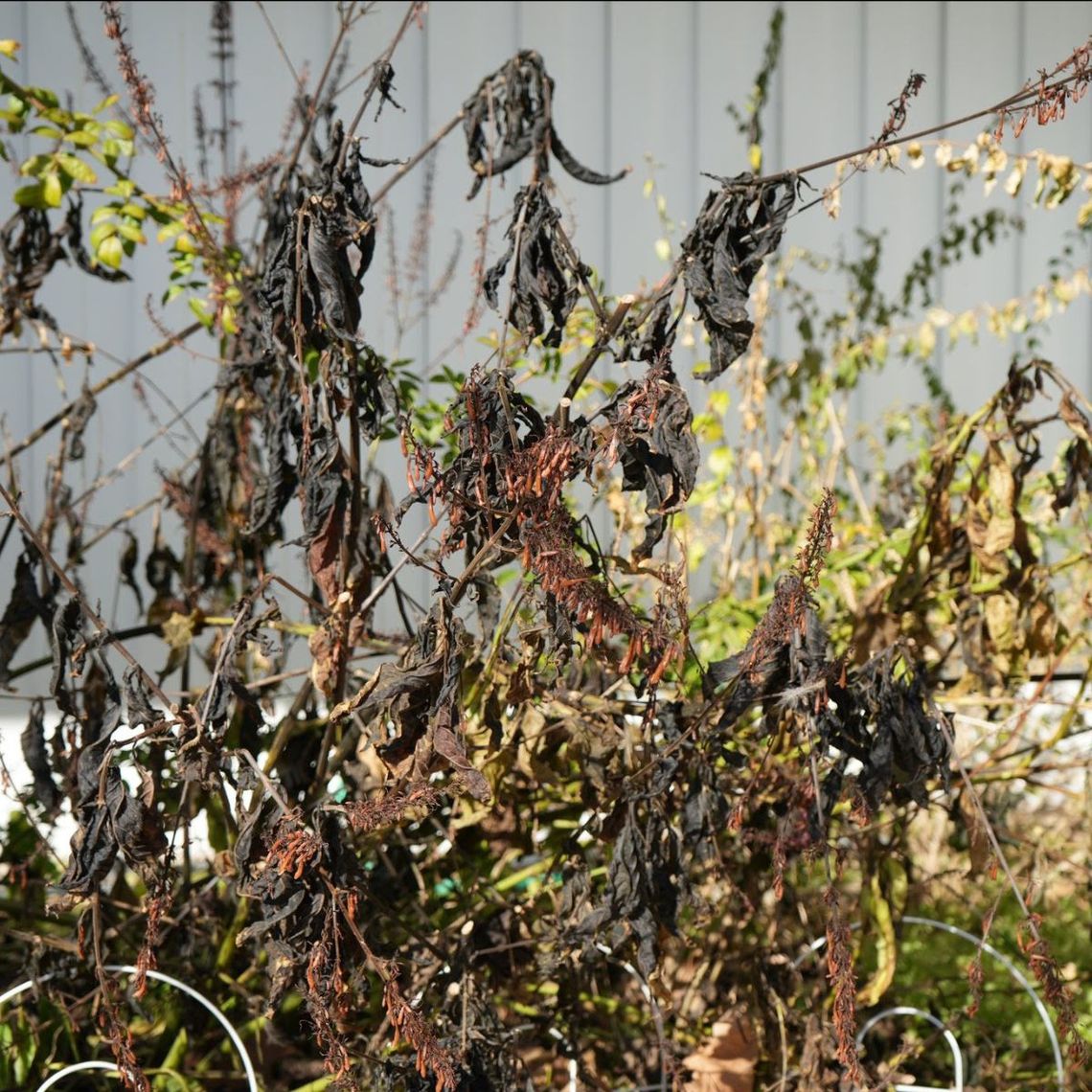
If your garden looks like our demonstration gardens, read on for what to do next!
Article by Kaydie McCormick, Residential Horticulture Agent and Master Gardener Volunteer Coordinator, UF/IFAS Extension, Seminole County
Well, I'm certainly feeling a little humbled by the winter storm we had at the beginning of February. While we've gone through several successful winters with lows reaching into the 30's briefly, those hours down in the 20's really damaged our demonstration gardens here at the office. Plants that have never taken cold damage before are crisp, and several were complete losses. So what made this winter so different? What are the next steps?
The big difference from previous years wasn't just the temperature drop (though that played a big factor) but also the type of freeze we received! When things get really cold, they get really cold in two separate way. Most of our freezes over the last decade have been radiational freezes, while that storm at the beginning of February was an advective freeze.
Radiational freezes and frosts happen on calm, clear nights when heat escapes from the ground into the atmosphere. Moist air often leads to visible frost, which can cause surface-level damage to tender plants. In contrast, dry air may result in a freeze without any frost forming, even though the damage can be just as severe. During these events, using covers (such as frost cloths, sheets, or lightweight blankets) can help trap heat radiating from the soil and protect vulnerable plants.
Advective freezes, on the other hand, occur when a mass of very cold air rapidly moves into the area, often as part of an “Arctic clipper.” These freezes bring a sudden, sometimes extreme, temperature drop paired with strong winds. Because of the windy conditions, plant covers tend to blow around or lose effectiveness, making protection more challenging. Advective freezes are typically more damaging because the cold air quickly replaces any warmth stored in the landscape.
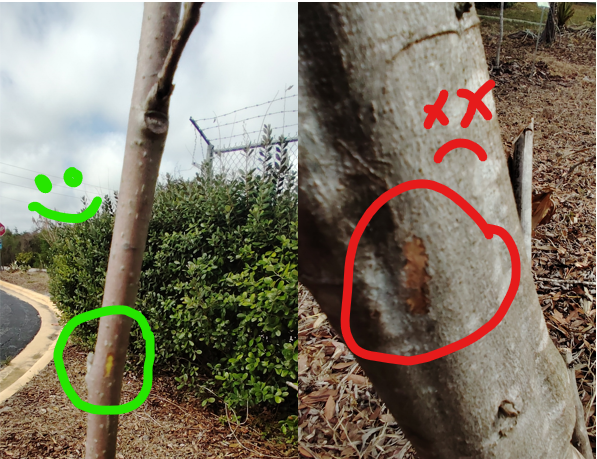
To check whether a plant has survived a freeze, start by using a fingernail or a small knife to gently scratch the surface of a branch. If you see green tissue just beneath the bark, that’s the vascular cambium (the living layer that transports water and nutrients). Green means the plant is still alive, just temporarily dormant from the cold. It may take a few weeks for new growth to appear, and many plants should begin leafing out by the end of March. If a branch shows no green, try again lower on the plant, since cold damage often starts at the tips and progresses downward. In some cases, the top of the plant may be dead while the roots are still alive, so giving it until the end of the month before making final decisions is a smart approach.
Once you know which parts of a plant survived, you can prune back to healthy tissue. For best recovery, cut to a lower living branch or a visible bud where new shoots can easily form. This removes dead wood and gives the plant a cleaner, stronger framework for regrowth. If the plant has died back completely above ground, wait for new shoots to emerge from the roots, then prune all the way to the soil line to clear out the dead material. This ensures the new growth isn’t competing with damaged stems and can develop into a healthier plant.